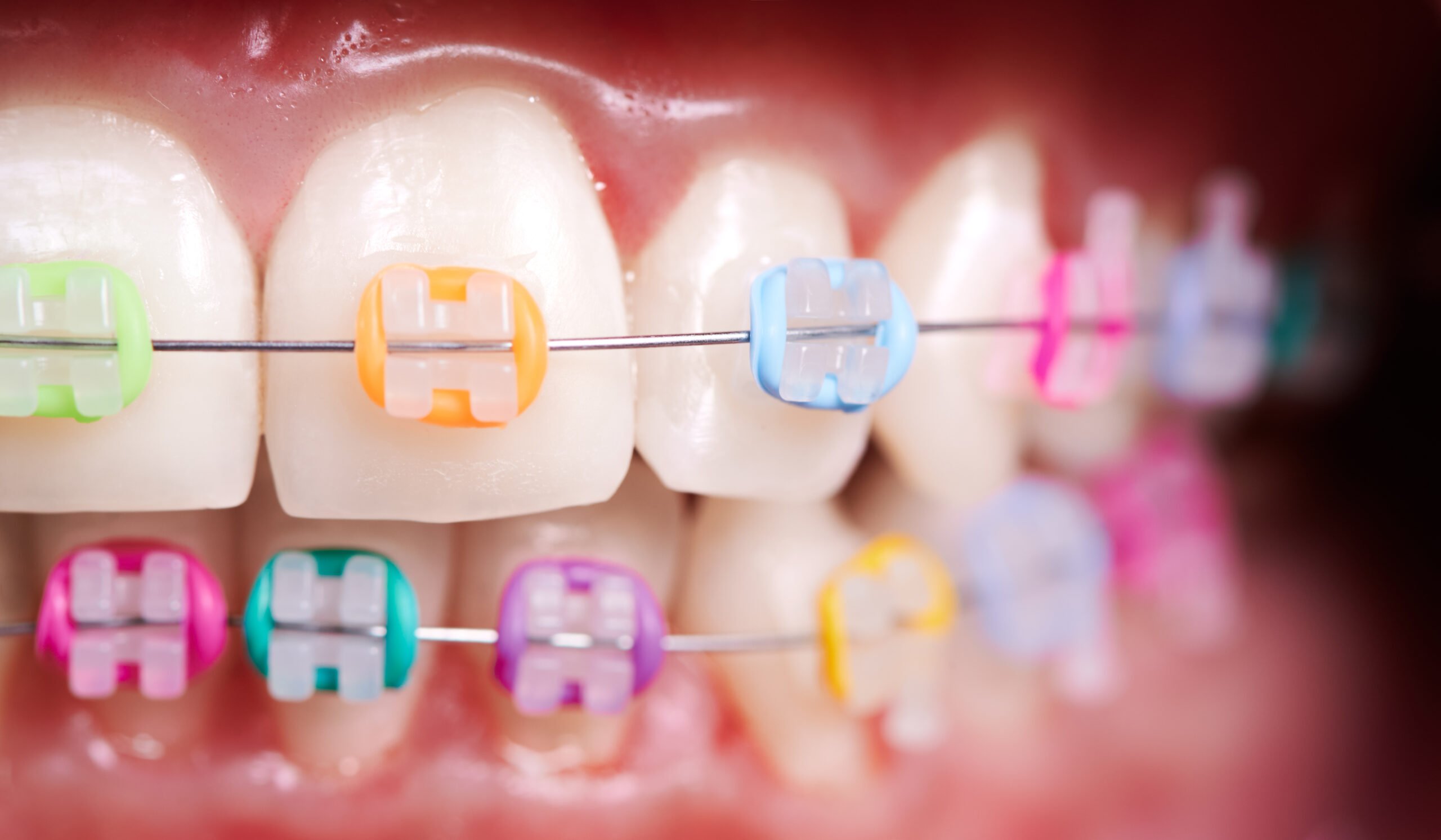
Ever wondered why the first few weeks with braces feel like the longest part of your entire orthodontic journey? Understanding what to expect during your first month with braces can help you navigate the adjustment period with confidence and know exactly which sensations are completely normal as your smile begins its transformation.
Braces: Straightening Your Smile
What Are Braces?
Braces are a trusted dental treatment designed to straighten your teeth and correct alignment issues with your teeth and jaws. They consist of small metal brackets attached to each tooth, connected by a special wire that gently guides your teeth into their proper positions. Your dentist or orthodontist adjusts this wire regularly to keep your teeth moving in the right direction. Over time, this steady, gentle pressure creates the healthier, straighter smile you’re looking for through effective teeth straightening with braces.
Who Can Benefit from Braces?
Braces aren’t just for teenagers anymore. They’re commonly recommended for kids, teens, and adults who want to improve their smile or need to correct bite problems. Whether you’re dealing with crooked teeth, gaps, overcrowding, or jaw alignment issues, orthodontic treatment can help. It’s never too late to invest in a healthier, more confident smile.
The Benefits of Choosing Braces
The most obvious benefit of braces is a straighter, more attractive smile, but the advantages go much deeper than appearance. When your teeth are properly aligned, they’re much easier to clean, which helps prevent cavities and gum disease. Straight teeth also reduce unnecessary stress on your jaw joints and muscles, which can help prevent pain and discomfort. Think of braces like a gentle guide that constantly helps your teeth shift into a healthier, more functional arrangement through smile correction.
Key benefits include:
- Improved oral health: Straighter teeth are easier to brush and floss effectively
- Better bite function: Proper alignment reduces strain on your jaw and teeth
- Increased confidence: A beautiful smile can boost your self-esteem
- Long-term protection: Correct alignment helps prevent future dental problems
How Braces Work
The process is simpler than you might think. Your orthodontist attaches small brackets to the front of your teeth using a safe dental adhesive. A wire runs through these brackets, creating a system that applies gentle, continuous pressure to your teeth. During regular adjustment appointments, your orthodontist tightens or repositions the wire to keep your teeth moving according to your orthodontic treatment plan. This gradual movement allows your teeth and the surrounding bone to adjust safely and comfortably over time.
Your First Month With Braces: A Complete Guide
The first 30 days with braces mark the beginning of your smile transformation, and knowing what lies ahead helps you prepare mentally and physically. This initial period brings several changes as your mouth adjusts to its new hardware. Here’s what you can expect during those crucial first weeks.
| Timeframe | What to Expect | Recommended Foods |
|---|---|---|
| Days 1-3 | Most soreness and discomfort; initial adjustment period | Smoothies, yogurt, pudding, soup |
| Days 4-7 | Soreness begins to ease; mouth still sensitive | Mashed potatoes, soft pasta, scrambled eggs |
| Week 2-3 | Irritation decreases; protective tissue develops | Soft bread, rice, cooked vegetables |
| Week 4 | Most discomfort gone; braces feel more natural | Most soft foods; avoid hard, sticky, crunchy items |
Week One: Initial Discomfort
Your teeth and gums will feel sore for the first few days after getting braces. This tenderness is completely normal as your teeth begin shifting into their new positions through the teeth straightening process. You might find it easier to stick with soft foods like yogurt, mashed potatoes, and smoothies during this time.
Dealing With Irritation
Your cheeks, lips, and tongue need time to toughen up against the metal brackets and wires. Orthodontic wax becomes your best friend for covering any spots that rub uncomfortably. Most people find that these sensitive areas develop protective tissue within two to three weeks.
Learning New Oral Hygiene Habits
Brushing and flossing with braces requires extra time and attention. You’ll need to clean around each bracket carefully and use special floss threaders or interdental brushes. Your orthodontist will show you proper techniques to keep your teeth healthy throughout treatment.
Dietary Adjustments
You’ll need to avoid certain foods that could damage your braces during the entire treatment period. Hard, sticky, and crunchy foods are off limits. This means saying goodbye temporarily to popcorn, hard candy, and chewy caramels.
The Light at the End of the Tunnel
By the end of your first month with braces, most of the initial discomfort fades significantly. You’ll have adapted to your new routine and the braces will start feeling like a natural part of your mouth. Remember, every day brings you closer to your dream smile!
Why We Offer Braces
At Hadavand Orthodontics, we provide braces because we believe everyone deserves a healthy, confident smile. Braces are one of the most effective ways to correct misaligned teeth and bite issues that can affect both oral health and self-esteem. We understand that straight teeth contribute to better overall dental hygiene and can prevent future complications.
Our team is committed to offering personalized orthodontic solutions that fit each patient’s unique needs. We use proven braces technology to help patients of all ages achieve lasting results through effective smile correction. By providing this essential service, we aim to improve not just smiles, but quality of life for our entire community.
Patient Reviews
Patients consistently praise Hadavand Orthodontics for exceptional results and outstanding patient care. Dr. Hadavand is described as thorough, taking time to answer every question and never making patients feel rushed or pressured. Reviews highlight successful outcomes for a variety of cases, from crossbite corrections and expanders to complex situations involving challenging dental structures.
Parents particularly appreciate that Dr. Hadavand explains treatment plans in detail and sets realistic expectations from the start. Many families report finishing treatment ahead of schedule despite extensive work needed. The office accommodates scheduling changes quickly and maintains short wait times.
Patients feel confident their children are in good hands, with one reviewer noting that even after 14 years, the care remained priceless. The warm, professional environment makes every visit a positive experience, and the practice comes highly recommended across multiple families and social media groups.
One particularly compelling testimonial comes from a grandmother who decided to get braces at 52 alongside her granddaughter. In her 5-star review, she shared: “Dr Hadavand is the only Orthodontist I would trust for braces for me and my loved ones. Thank you Dr Hadavand for your masterful attention to detail and your patience! You are The Best!!!” Read their full story.
Start Your Smile Journey Today
If you’re ready to begin your journey to a beautiful, confident smile, contact Hadavand Orthodontics today to schedule your braces consultation. Our experienced team will guide you through every step of the orthodontic treatment process and answer any questions you have about getting started with braces.
At Hadavand Orthodontics, we are committed to making your orthodontic experience comfortable and rewarding. We look forward to helping you achieve the smile you’ve always wanted.
The content on this blog is not intended to be a substitute for professional medical advice, diagnosis, or treatment. Always seek the advice of qualified health providers with questions you may have regarding medical conditions.
Frequently Asked Questions About Braces
How long does the soreness last when you first get braces?
The most intense soreness from braces typically lasts for the first three days after getting them. During this initial period, your teeth and gums will feel tender as they begin shifting into their new positions. The discomfort starts to ease between days four and seven, though your mouth may still feel sensitive. By weeks two and three, the irritation decreases significantly as your mouth develops protective tissue. Most people find that by the end of the first month, the majority of discomfort has faded and the braces start feeling like a natural part of their mouth.
What foods can I eat during my first week with braces?
During the first three days with braces when soreness is at its peak, stick to very soft foods like smoothies, yogurt, pudding, and soup. As you move into days four through seven, you can gradually add mashed potatoes, soft pasta, and scrambled eggs to your diet. By weeks two and three, you can expand to include soft bread, rice, and cooked vegetables. Throughout your entire orthodontic treatment, you should avoid hard, sticky, and crunchy foods like popcorn, hard candy, and chewy caramels that could damage your braces.
What are the main benefits of getting braces besides straighter teeth?
While a straighter and more attractive smile is the most visible benefit, braces offer important health advantages too. Properly aligned teeth are much easier to brush and floss effectively, which helps prevent cavities and gum disease. Correct alignment also reduces unnecessary stress on your jaw joints and muscles, helping to prevent pain and discomfort. Braces improve your bite function by ensuring your teeth meet correctly, which protects against future dental problems. These health benefits combine with increased confidence and self-esteem to improve your overall quality of life.
Can adults get braces or are they just for teenagers?
Braces are not just for teenagers anymore. They are commonly recommended for kids, teens, and adults who want to improve their smile or need to correct bite problems. Whether you are dealing with crooked teeth, gaps, overcrowding, or jaw alignment issues, braces can help at any age. It is never too late to invest in a healthier, more confident smile, and many adults successfully complete orthodontic treatment with excellent results.
How do I deal with irritation from braces rubbing against my mouth?
Your cheeks, lips, and tongue need time to adjust to the metal brackets and wires, which can cause irritation at first. Orthodontic wax becomes your most helpful tool for covering any spots that rub uncomfortably against the soft tissues in your mouth. Most people find that the sensitive areas develop protective tissue within two to three weeks, making the braces much more comfortable. This adjustment period is completely normal, and the irritation will decrease significantly as your mouth adapts to the new hardware.